If you are selling a home in Buckeye, prep is not the place to wing it. In a city growing this fast, your home may be competing with newer homes, polished builder models, and move-in-ready listings that make a strong first impression. The good news is that with the right plan, you can cut down on surprises, protect your timeline, and present your home at its best. Let’s dive in.
Why prep matters in Buckeye
Buckeye is growing quickly. The U.S. Census Bureau estimates the city’s population at 114,334 in July 2024, which reflects major growth since 2020.
That growth shapes how buyers shop. Buckeye also has 27 approved master-planned communities projected to add more than 240,000 residential units at buildout, so resale homes often compete with newer product, newer amenities, and builder-style presentation.
Local housing data adds more context. Most Buckeye homes were built after 2000, more than 80% have three or more bedrooms, and the median owner-occupied home value is $419,800. In practical terms, many buyers expect a home that feels clean, current, and well cared for.
Start with a pre-listing review
Before you touch paint or schedule landscaping, start with diagnosis. A pre-listing inspection can help you spot issues with the roof, HVAC, plumbing, electrical, appliances, drainage, and irrigation before a buyer does.
This step makes sense in Arizona because buyers are advised by the Arizona Department of Real Estate to review disclosures carefully, pay attention to inspection deadlines, and consider professional home and termite inspections. If you know what may come up, you can decide what to repair, what to disclose, and what to price around.
What to check first
Focus first on the items most likely to affect a buyer’s confidence:
- Roof condition
- HVAC performance
- Plumbing leaks or slow drains
- Electrical issues
- Appliance operation
- Irrigation function
- Drainage concerns around the lot
- Signs of pest or termite issues
If a buyer tests systems and finds multiple small problems, those issues can start to feel bigger than they are. Catching them early helps you stay in control.
Confirm permits and paperwork
In Buckeye, repairs and upgrades are not just about appearance. Some work may require permits, and missing records can create delays once you are under contract.
Buckeye’s Permit Center says permits are required for a wide range of work, including building, altering, repairing, improving, or removing structures. The city specifically calls out items such as fences, pools, spas, patios, solar, and re-roofs.
Gather records before listing
Create a simple file with any documents a buyer may ask about later:
- Permit records for past work
- Contractor invoices and warranties
- Proof of final inspections, when required
- Manuals for major systems and appliances
- Solar paperwork, if applicable
- Roof or HVAC service records
Buckeye also states that inspections are required at milestones in the construction process, and work can be stopped for non-compliance. If you completed visible work that required approval, having clean documentation can save time and stress.
Watch floodplain-related work
If your property is in or near a floodplain, be especially careful with exterior changes. Buckeye says the Flood Control District of Maricopa County handles floodplain management for the city and issues Floodplain Use Permits for development in a floodplain, including walls, fencing, grading, filling, and other man-made changes.
That means drainage and site work should be reviewed before you try to solve curb appeal issues with quick fixes. What looks minor can still trigger permit concerns.
Fix in the right order
Not every project deserves your time or money before listing. In Buckeye, a smart strategy is usually to remove objections and improve presentation, not take on a full remodel.
Because resale homes often compete with newer homes, buyers tend to respond best to homes that feel maintained and move-in ready. That makes your repair order important.
Priority repair order for Buckeye sellers
Use this sequence to stay focused:
- Safety and function: leaks, electrical issues, HVAC problems, roof concerns, drainage problems
- Permit-sensitive items: fences, patios, pool features, roofing, solar, structural changes
- System checks: appliances, plumbing fixtures, irrigation, water flow
- Cosmetic fixes: touch-up paint, caulking, hardware, light fixtures
- Presentation work: deep cleaning, decluttering, staging, landscaping refresh
This order helps you handle the issues that can derail a sale before you spend money on looks alone.
Make the yard part of the sales plan
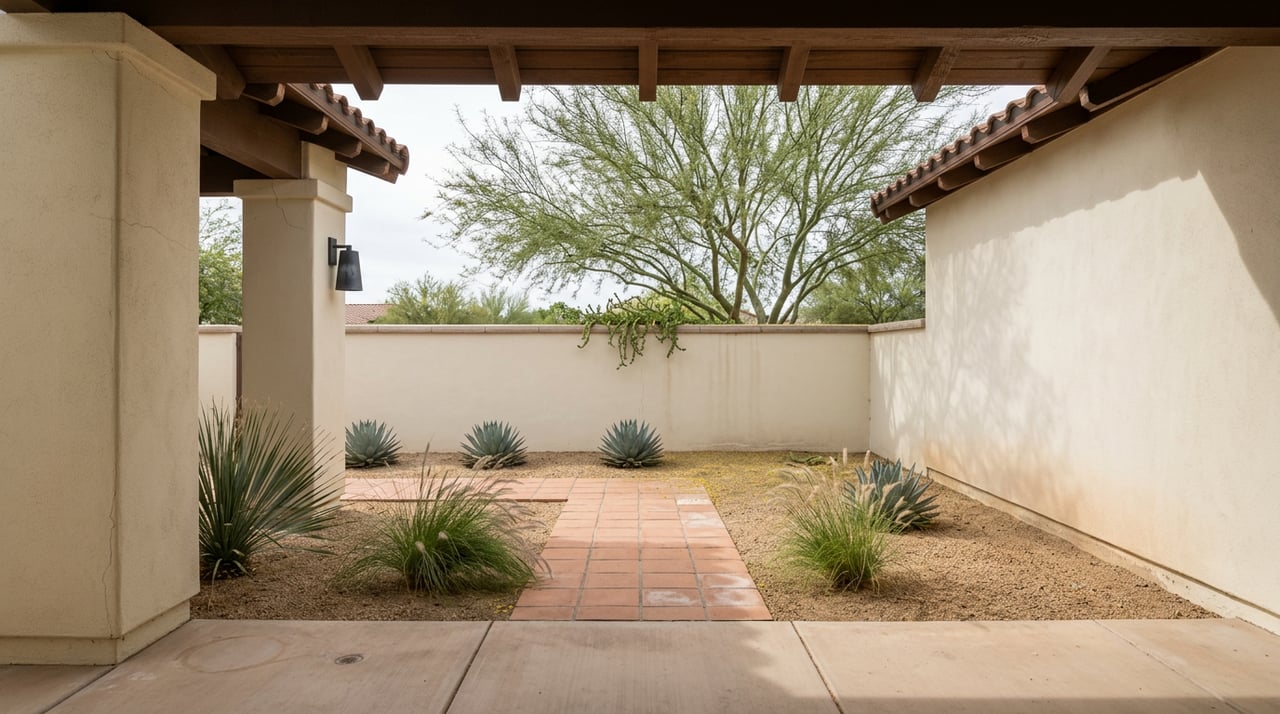
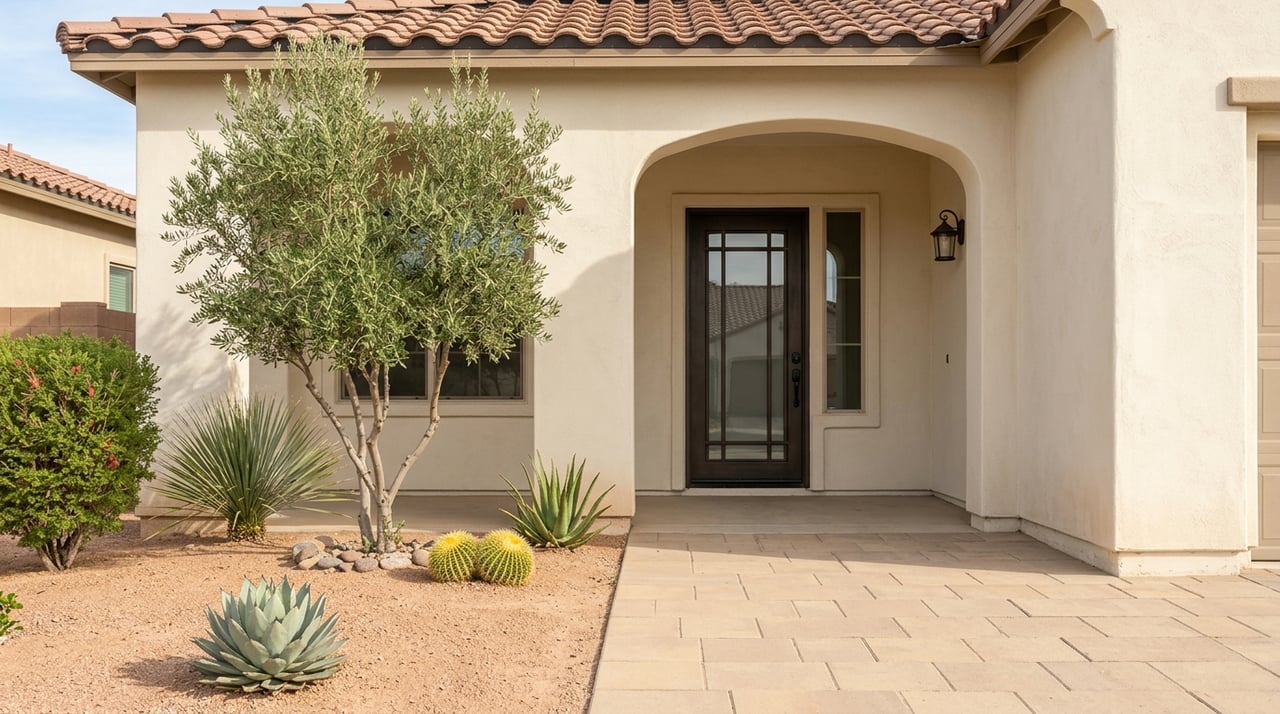
In Buckeye, the exterior matters more than many sellers think. Desert landscaping, irrigation performance, and overall yard care can shape a buyer’s first impression before they ever step inside.
Buckeye’s general plan emphasizes water reliability, drought-tolerant landscaping, and low-water irrigation systems. Arizona water guidance also notes that low-water landscapes still need proper design and maintenance, and irrigation systems need seasonal upkeep to avoid leaks, clogs, and poor water distribution.
Exterior prep checklist
A solid Buckeye exterior checklist includes:
- Trim overgrowth and remove weeds
- Repair broken drip lines or irrigation components
- Check for pooling water or drainage issues
- Refresh rock or mulch where needed
- Clean patios, walks, and entry areas
- Touch up gates, walls, or fences if needed
- Remove dead plants and replace only where it improves appearance
A neat, water-wise yard does two jobs at once. It boosts curb appeal and signals that the home has been cared for.
Clean, declutter, and define the layout
Inside the home, simple prep often has more impact than expensive upgrades. Buckeye’s housing profile shows that most homes have three or more bedrooms, so buyers may be looking closely at how each room functions.
That means flexible spaces should be easy to understand. A bonus room, den, or extra bedroom should clearly read as a usable space, whether that is a home office, guest room, or hobby area.
Focus on move-in-ready presentation
Before you consider larger updates, take care of the basics:
- Deep clean every room
- Remove excess furniture
- Clear counters and open surfaces
- Organize closets and storage areas
- Replace burned-out bulbs
- Patch minor wall damage
- Use simple, neutral decor
In a market with many newer homes, bright and orderly wins. Buyers do not need perfection, but they do want to feel that the home is ready for their next chapter.
Be careful with older-home paint work
If your home was built before 1978, take extra care with any repainting or surface prep. EPA rules require buyers of pre-1978 housing to receive known information about lead and lead hazards before contract signing.
EPA also says renovation and repair work in pre-1978 homes can create lead-based paint dust, and lead-safe certified firms and work practices should be used. If your home falls in that age range, avoid casual DIY sanding or scraping right before listing.
Prepare your disclosure file early
A smooth sale often depends on the paperwork as much as the presentation. Arizona buyers are encouraged to read the seller’s property disclosure report carefully, so it helps to prepare your file before your home hits the market.
If your home is in an HOA, this step is even more important. Arizona law under A.R.S. § 33-1806 requires planned-community associations to provide resale documents after notice of a pending sale, and the association may charge a fee for preparing and delivering those documents.
HOA and disclosure items to collect
Try to gather these early:
- CC&Rs and community rules
- HOA account status
- Known violations
- Special assessment information
- Seller disclosure information
- Repair and maintenance history
When these items are ready upfront, you reduce the risk of last-minute delays during escrow.
Position your home against new construction
Many Buckeye sellers are not just competing with other resale homes. They are also competing with new homes in growing master-planned communities.
That does not mean your home is at a disadvantage. It means your marketing and prep should highlight the things a buyer cannot get immediately from a brand-new build.
What resale can offer that new construction may not
Your home may stand out because it already offers:
- Established landscaping
- A finished backyard
- Mature neighborhood surroundings
- Installed upgrades
- A known maintenance history
- A move-in-ready setup without post-close projects
Buckeye planning documents also emphasize drought-tolerant and low-water landscape priorities. If your exterior is clean, functional, and well maintained, it becomes part of your value story.
For some buyers, practical features matter too. Single-level living, low-step entries, wider circulation, and low-maintenance exteriors may be meaningful features to highlight when they are already part of the home.
Keep your budget focused
One of the biggest mistakes sellers make is over-improving before listing. In Buckeye, the stronger approach is often to spend where buyers will notice condition, care, and ease of move-in.
That usually means fixing visible problems, tightening up maintenance, and investing in presentation. A full remodel is not always the best return, especially if your goal is to compete with newer homes by looking polished and well managed.
A process-driven plan can help you decide what matters most. When you review condition, permits, paperwork, and presentation in the right order, you avoid wasted time and unnecessary expense.
Selling in Buckeye takes more than a sign in the yard. It takes smart prep, clear documentation, and a presentation strategy that helps your home stand out in a fast-growing market. If you want a guided, step-by-step plan tailored to your home and timeline, connect with Lynise Trice for a personalized consultation.
FAQs
Do I need a pre-listing inspection when selling a home in Buckeye?
- A pre-listing inspection is not a city requirement, but it can help you uncover issues before buyers complete their own inspections and review disclosures.
What should I fix first before listing a Buckeye home?
- Start with safety, leaks, HVAC, electrical, drainage, permit-sensitive repairs, and irrigation issues before moving to cosmetic updates, cleaning, and staging.
Do Buckeye home sellers need permit records for past work?
- If past work required permits, it is smart to gather permit records, contractor invoices, and proof of final inspections before listing.
Is landscaping important when selling a home in Buckeye?
- Yes. In Buckeye, a clean and well-maintained yard with working irrigation and water-wise landscaping can improve first impressions and support your home’s overall presentation.
What HOA documents should I gather before selling a Buckeye home?
- If your home is in an HOA, gather CC&Rs, rules, account status, known violations, special assessment information, and other resale documents as early as possible.