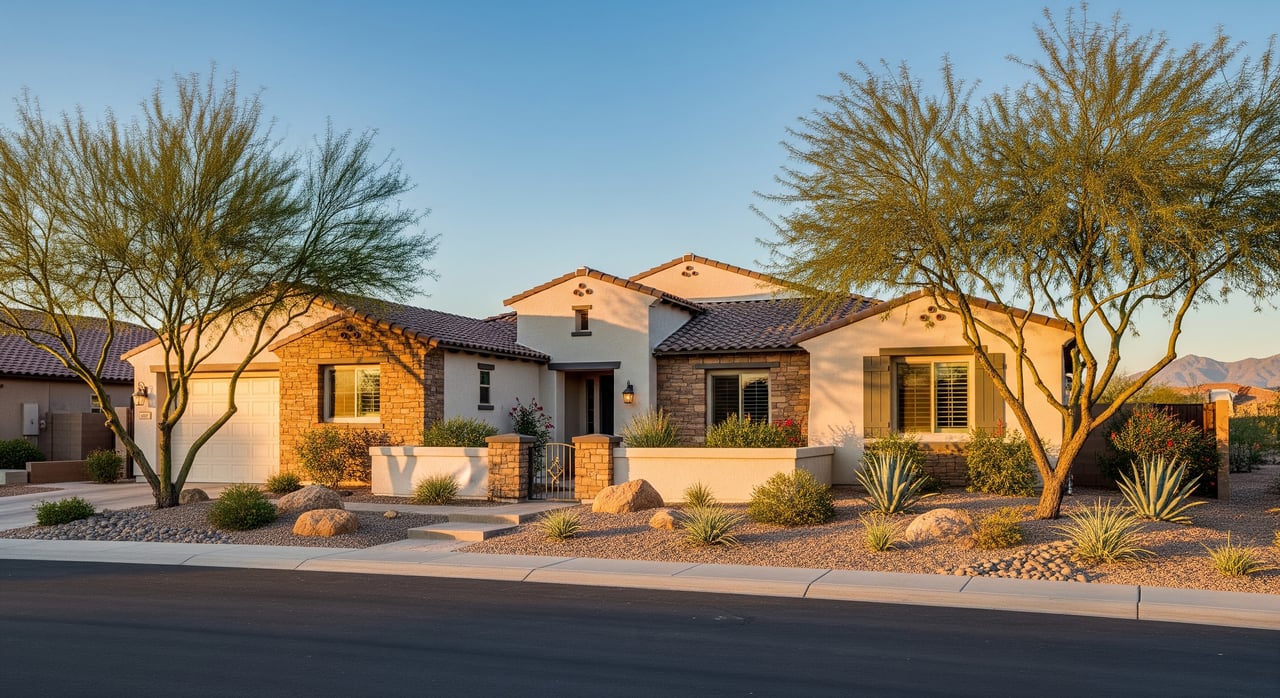
Choosing the right neighborhood shapes your family’s everyday life: school drop-offs, weekend parks, evening commutes and where you grab dinner. If you are early in your search, it can feel overwhelming to compare areas and decode school boundaries. This guide gives you a clear, practical way to evaluate Peoria’s main subareas, from schools and parks to commutes and home types, plus a checklist you can use on your first drive tour. Let’s dive in.
How to compare Peoria neighborhoods
Start with the daily rhythms you care about most. Then narrow by a few practical filters so each drive tour is purposeful.
- Confirm school assignments with the district. Ask about start times, busing, after-school care and program capacity. Boundaries change, so verify directly before you decide.
- Run a sample commute during peak hours. Use your typical departure time and test routes to Loop 101, AZ‑303 or I‑17.
- Visit parks at kid-hour. Stop by splash pads and playgrounds mid-morning to check shade, crowds and restrooms.
- Review HOA details if applicable. Understand rules on parking, landscaping, exterior changes and community amenities.
- Scan future growth. Check city and county planning resources for new subdivisions or road projects that could affect traffic or school capacity.
Northwest Peoria: Vistancia and Lake Pleasant
Newer master-planned communities set against Sonoran Desert foothills create a quiet suburban feel with access to outdoor recreation.
Quick snapshot
- Schools: Primarily served by Peoria Unified along with nearby charters. Confirm the specific elementary, middle and high school tied to each subdivision and ask about transportation.
- Parks and recreation: Close to Lake Pleasant Regional Park for boating and camping, plus nearby desert trails for hiking and biking. Many neighborhoods include community parks, pools and walking paths.
- Commute: Farther from central Phoenix and the airport. Check drive times to employment corridors via AZ‑303, Loop 101 and I‑17 during rush hour.
- Home types: Newer single-family homes from the 2000s to 2020s with HOAs, some gated enclaves and options for new construction.
- Price tier: Generally mid-range to higher-end relative to Peoria due to newer builds and amenities.
- Good fit if you want: Newer construction, larger lots in select enclaves, resort-style amenities and quick access to desert recreation.
Norterra and Happy Valley
This northeast corner bordering Phoenix blends established retail and medical services with newer subdivisions.
Quick snapshot
- Schools and services: Proximity to shopping centers, medical offices and everyday conveniences. Check exact school boundaries and program options you value.
- Commute: Direct connections to Loop 101 and north-Valley employers. Many residents find drives to Scottsdale Airpark and north Phoenix straightforward.
- Home types: Mix of 1990s to 2010s single-family homes, plus townhomes in select pockets.
- Price tier: Typically mid-range within the Peoria market.
- Good fit if you want: A balance of suburban amenities and shorter drives to north Phoenix job centers.
Central and Old Town Peoria
Near the Agua Fria River and Peoria Sports Complex, this area offers older neighborhoods and community events with a compact, connected feel.
Quick snapshot
- Schools: Central-area schools serve established neighborhoods. Verify current boundaries and transportation options.
- Parks and amenities: Access to community events, river-adjacent parks and spring training at the Peoria Sports Complex.
- Commute: Central location for west Valley jobs with multiple routes to Loop 101.
- Home types: Older ranch and brick homes on smaller lots, with some infill and remodeled properties.
- Price tier: Often entry-level to mid-range relative to the broader Peoria market.
- Good fit if you want: Shorter drives to local entertainment, an older-home aesthetic and a community-oriented setting.
South Peoria and the Cactus Corridor
Closer to the Glendale border, you will find more established pockets that can offer accessible entry points into the city.
Quick snapshot
- Schools: Mix of assignments across Peoria Unified and nearby districts. Confirm your specific address to understand enrollment.
- Commute and access: Convenient to west Valley employment and I‑10 depending on your exact location.
- Home types: Predominantly older single-family homes with fewer master-planned amenities.
- Price tier: Often more affordable relative to newer northwest communities.
- Good fit if you want: Established neighborhoods at entry-level price points with solid regional access.
Special-use communities to know
- 55+ and active adult: Communities such as Westbrook Village and Trilogy at Vistancia are popular but designed for age-restricted living. Families with children should confirm community rules before touring.
- Gated and HOA master plans: Common across newer subdivisions. Families often appreciate shared pools, pocket parks and paths. Review rules for parking, landscaping, rentals and exterior changes so expectations are clear.
Schools and childcare basics
Much of Peoria is served by the Peoria Unified School District, though boundaries are complex. Some addresses may fall into other districts or be close to charter and private options. Because assignments and programs can change, always confirm directly with the district and the specific school office.
When evaluating schools:
- Ask about enrollment eligibility, program waitlists, before and after care, transportation and start times.
- Review state report cards and school communications for curriculum, class size and extracurriculars.
- Consider capacity. New construction nearby can lead to boundary updates or temporary classrooms.
If a particular program is important to you, call early. Clarify whether there are lotteries, open enrollment windows or additional application steps.
Parks, splash pads and weekend fun
Peoria invests in family amenities through its Parks and Recreation department. Neighborhood parks, community centers, libraries and seasonal programs help fill your week without long drives in the heat. Shade structures and splash pads are big wins for summer afternoons, so check locations and seasonal hours when you plan your tour.
Regional highlights include Lake Pleasant Regional Park for boating, fishing and camping, the Sonoran Desert trail network for hiking and biking, and the Peoria Sports Complex for spring training and community events. Many master-planned communities also maintain their own pools, playgrounds and walking paths.
Commute and travel patterns
Peoria is primarily car dependent. Daily drives typically rely on Loop 101 for east-west and north connections, AZ‑303 for the northwest metro and I‑17 or I‑10 depending on your destination. If transit is part of your plan, review Valley Metro bus routes and park-and-ride options. Light rail does not directly serve most Peoria neighborhoods, so plan for car commutes.
Traffic can vary with season and weather. Summer heat may shift pickup routines and after-school activities indoors. During monsoon season, be mindful of stormwater and washes. For the most accurate read, do a test drive at your typical rush-hour time for each neighborhood you are considering.
Housing types and price tiers
You will see a wide mix of homes across Peoria:
- Older established homes: Ranch and brick styles near Central and Old Town areas with smaller lots and mature streetscapes.
- Suburban tract homes: 1990s to 2010s single-family layouts with 3 to 4 bedrooms, two-car garages and modest yards.
- Newer master-planned: Communities in Northwest Peoria with pools, parks, trails and some gated sections.
- Townhomes and attached homes: Found in select corridors and near amenity hubs.
- Active adult communities: Age-restricted neighborhoods tailored to 55+ living.
Many newer neighborhoods include HOAs that maintain landscaping and shared amenities. Ask about monthly fees, reserve funding and any planned capital projects. Relative price tiers tend to follow home age, amenities and location: older central and south areas often provide entry-level options, mid-range choices spread across the city and higher-end pockets cluster in newer master-planned communities and view lots.
Schools and community amenities can influence resale over time. If you intend to move again in a few years, consider how the home’s school assignment, HOA features and neighborhood amenities align with typical buyer demand.
Practical checklist for your tour
Bring this list on your first visits so you compare each area the same way.
- What elementary, middle and high school serves this address? Any waitlists or busing?
- What are drop-off and pickup logistics at the assigned school? Where do families park or queue?
- How long is the commute from this neighborhood to work at rush hour using your actual route?
- Is the neighborhood in an HOA? What are rules, fees and the status of reserves?
- Which grocery, urgent care, pediatricians and dentists are within a 10 to 15 minute drive?
- Are community pools and splash pads seasonal or year-round? Who maintains them: HOA or city?
- What outdoor activities are within 20 to 30 minutes such as lakes, trails or sports complexes?
- Are there planned developments or road projects nearby that could affect traffic or school capacity?
- Are there washes or riverbeds nearby? Do you need to review floodplain and drainage details?
What’s next
If Peoria is on your shortlist, map two or three subareas that fit your commute, school and lifestyle goals. Tour at different times of day, stop at the local park, and drive the school loop. If you want a structured plan, a neighborhood comparison and introductions to builders or resale listings, reach out to Lynise Trice for a thoughtful, process-driven consultation.
FAQs
What should families compare first in Peoria neighborhoods?
- Prioritize school assignment, commute time to work, access to parks and splash pads, and the home type and HOA rules that fit your daily life.
How can I confirm my child’s school in Peoria before moving?
- Contact the Peoria Unified School District and the specific school office to verify the boundary for your address, transportation options and enrollment steps.
Are there public transit options for commuting in Peoria?
- Bus routes and park-and-ride options exist but are limited; light rail does not directly serve most neighborhoods, so plan primarily for car commutes.
Can families live in Trilogy at Vistancia or Westbrook Village?
- These are age-restricted 55+ communities with specific residency rules; confirm details before touring if you have children in the household.
What are typical Peoria home styles and lot sizes?
- You’ll see older ranch homes on smaller lots near the center, suburban tract homes from the 1990s–2010s, and newer master-planned communities with HOA amenities in the northwest.
How do monsoon and heat affect daily routines in Peoria?
- Expect to adjust pickup and outdoor schedules during extreme heat, and review drainage and nearby washes for monsoon season safety and planning.
What influences resale value in Peoria family neighborhoods?
- School assignments, proximity to parks and amenities, commute convenience and the condition and features of the home and HOA community all play a role.